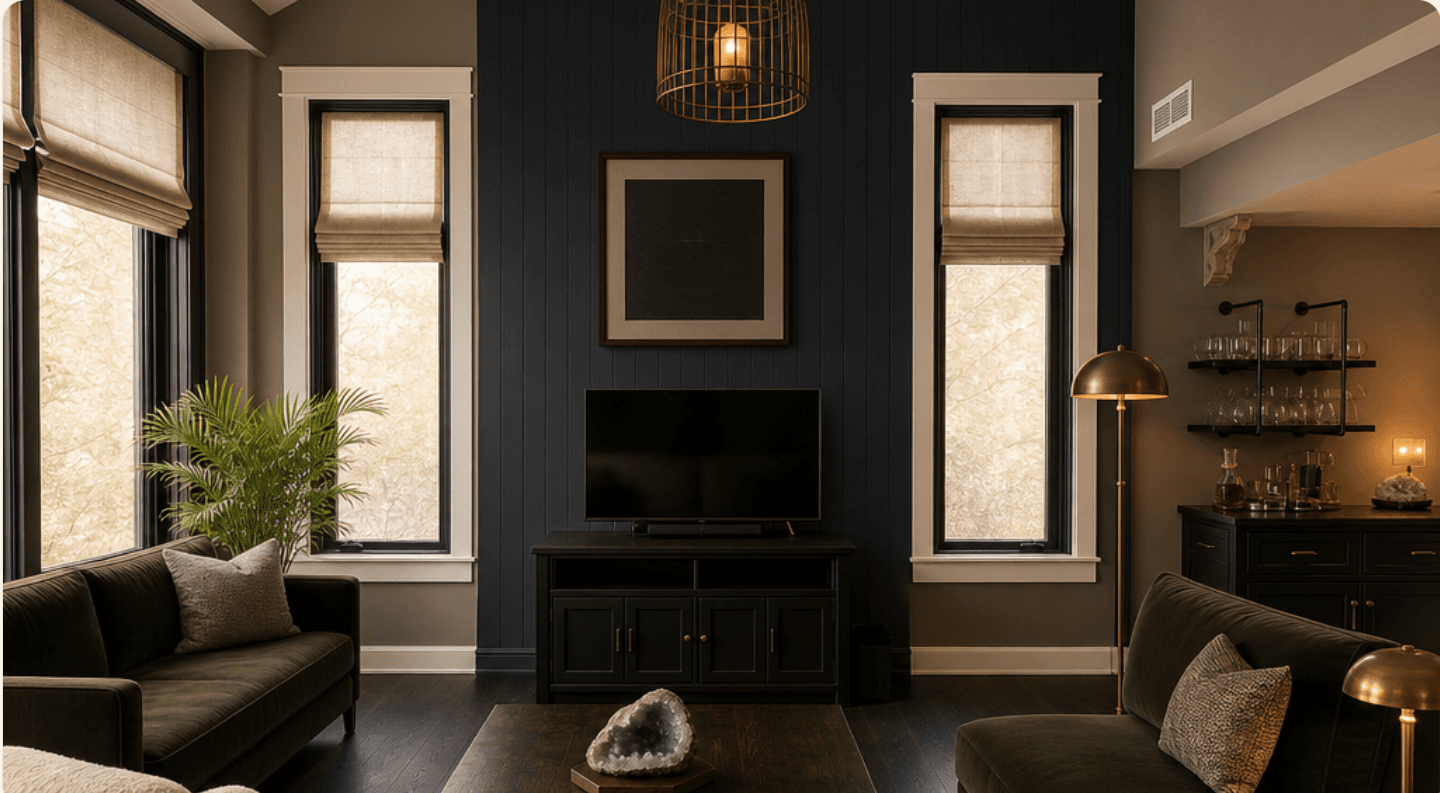
What should you know before renovating a living room?
The living room has one of the widest cost ranges of any room — because it spans two entirely different projects. A cosmetic refresh (paint, flooring, lighting, built-ins) sits at the low end of renovation costs; the moment a wall comes into play — especially a load-bearing one — you're in structural territory, with engineering, permits, and a budget that can multiply.
The one question that defines the project
"Can this wall come down?" Open-concept conversions are one of the most requested living room changes, and the wall between the living room and kitchen is usually the target. What that wall is doing — carrying load, hiding ductwork, carrying plumbing or electrical runs — decides whether removal is a manageable upgrade or a structural project with beams and engineering. This is knowable before you commit (what to know before renovating).
What homeowners say they wish they'd known
| The regret | The lesson |
|---|---|
| "The wall turned out to be load-bearing" | The most common surprise in open-concept projects — check first, dream second |
| "Open concept killed our storage and privacy" | Walls do work: storage, sound, zones. Removal has costs beyond money |
| "New floors, old layout — still didn't work" | If the layout is the problem, finishes won't fix it |
| "Our furniture didn't fit the 'improved' room" | Plan the furnished room, not the empty one |
Refresh or reconfigure?
The honest test: does your living room's problem live on its surfaces, or in its bones? Dated finishes with a working layout = refresh, high return for low cost. A layout that fights daily life = reconfiguration question, and that starts with feasibility, not flooring samples. Resale-wise, modest functional updates outperform dramatic overhauls in most markets (ROI by room).
Know what your living room supports
A Formaus.ai analysis reads your space from photos — layout potential, spatial constraints, where improvement returns most — with judgment grounded in 15 years of architectural experience. If the open-concept question is on your mind, that's exactly the feasibility read to get before falling for the picture (what we can and can't assess).